Brake Caliper Piston Design: Multi-Piston Brake Technology Explained
In a modern disc brake system, brake caliper pistons are responsible for converting hydraulic pressure into mechanical clamping force. Although the basic braking principle is simple, the design and configuration of brake pistons have a significant influence on braking efficiency, stability, and heat management. For automotive manufacturers, performance brands, and brake system distributors, understanding brake caliper piston design is essential when evaluating braking performance and selecting appropriate braking components.
As vehicle performance requirements increase, brake systems must deliver stronger braking force while maintaining stability under repeated high-speed braking conditions. This is why modern braking systems increasingly rely on multi-piston brake calipers designed to distribute braking force more evenly across the brake pads.

How Brake Caliper Pistons Work
When the driver presses the brake pedal, hydraulic pressure generated by the brake master cylinder travels through the brake fluid and reaches the brake caliper. Inside the caliper housing, pistons respond to this pressure by moving outward and pushing the brake pads against the brake rotor.
The friction created between the brake pads and the rotating brake rotor converts the vehicle’s kinetic energy into heat energy, slowing the vehicle down. The efficiency of this process depends on several factors including piston size, piston count, pressure distribution, and caliper structural rigidity.
Single-Piston Brake Calipers
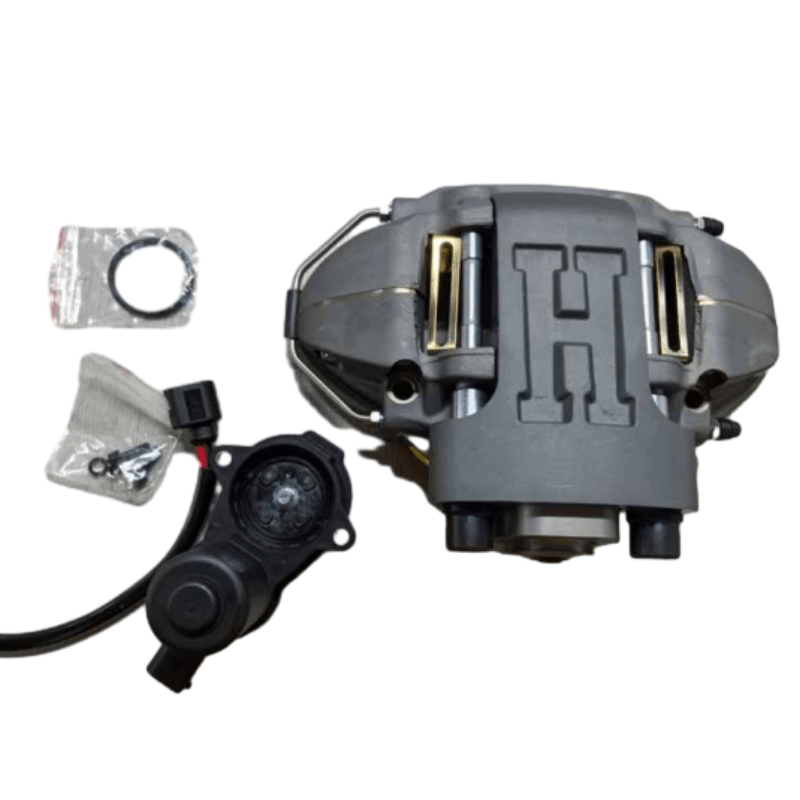
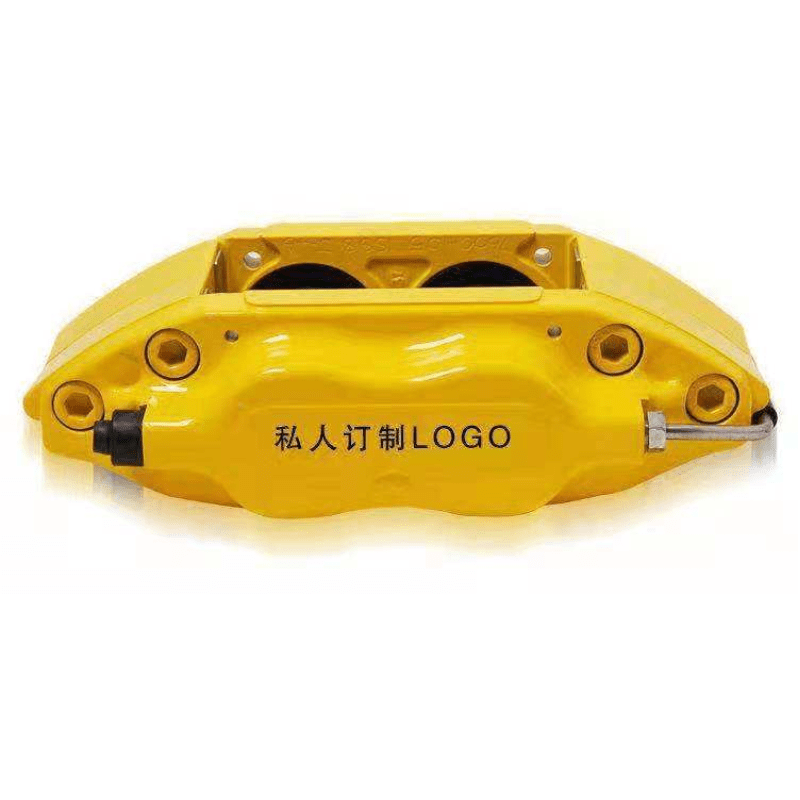
Single-piston brake calipers are widely used in standard passenger vehicles because they offer reliable braking performance while maintaining low manufacturing costs and simple mechanical design. These calipers typically use a floating design where the caliper slides along guide pins to ensure both brake pads make contact with the rotor.
Although single-piston calipers are suitable for many everyday vehicles, their braking force distribution may be less uniform compared with multi-piston configurations. Under heavy braking conditions, uneven pressure distribution can lead to uneven brake pad wear and reduced braking consistency.
Multi-Piston Brake Calipers
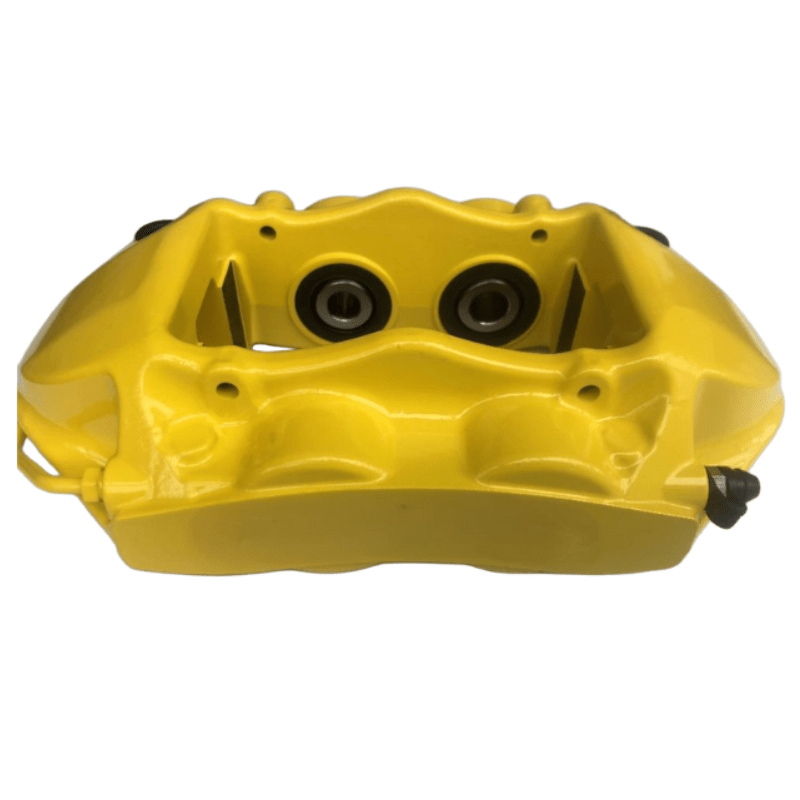
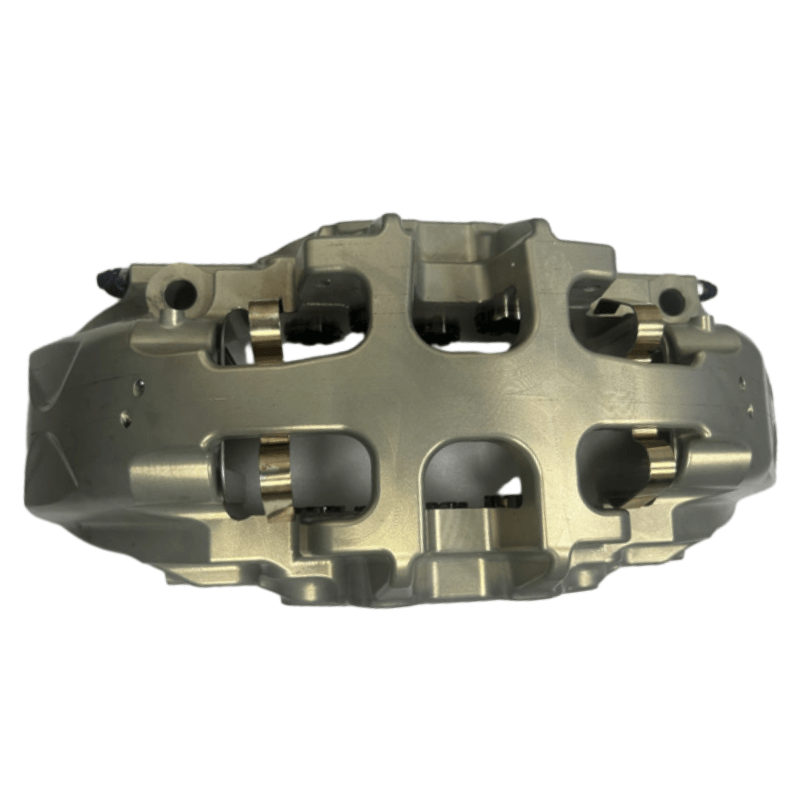
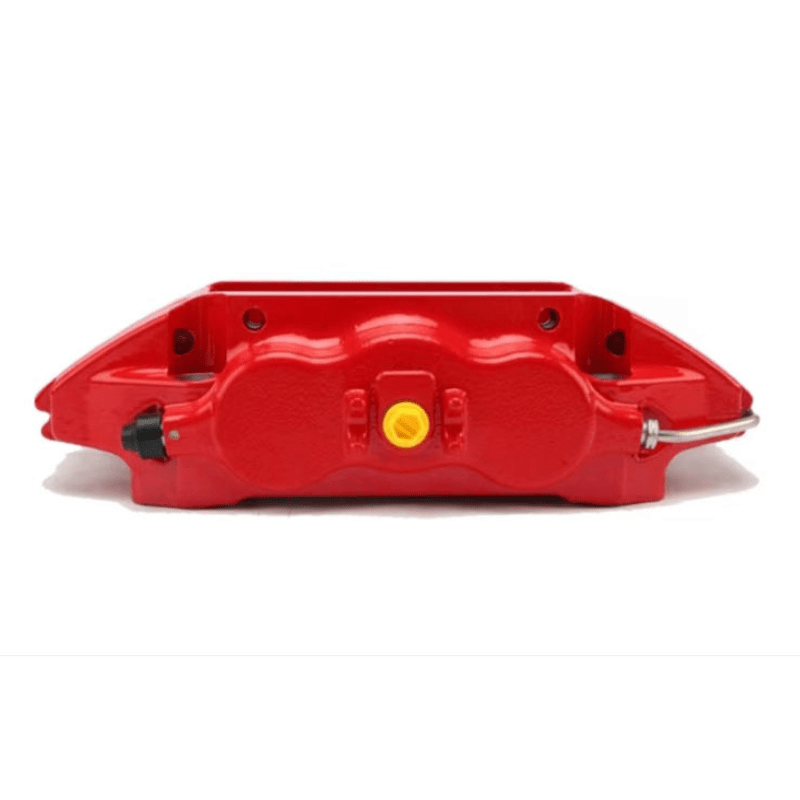
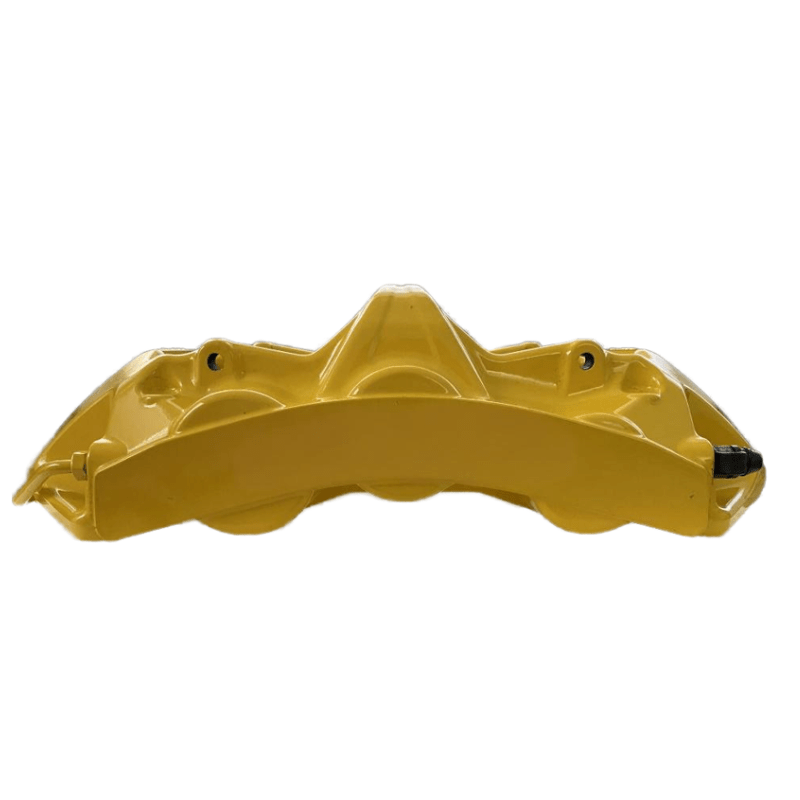
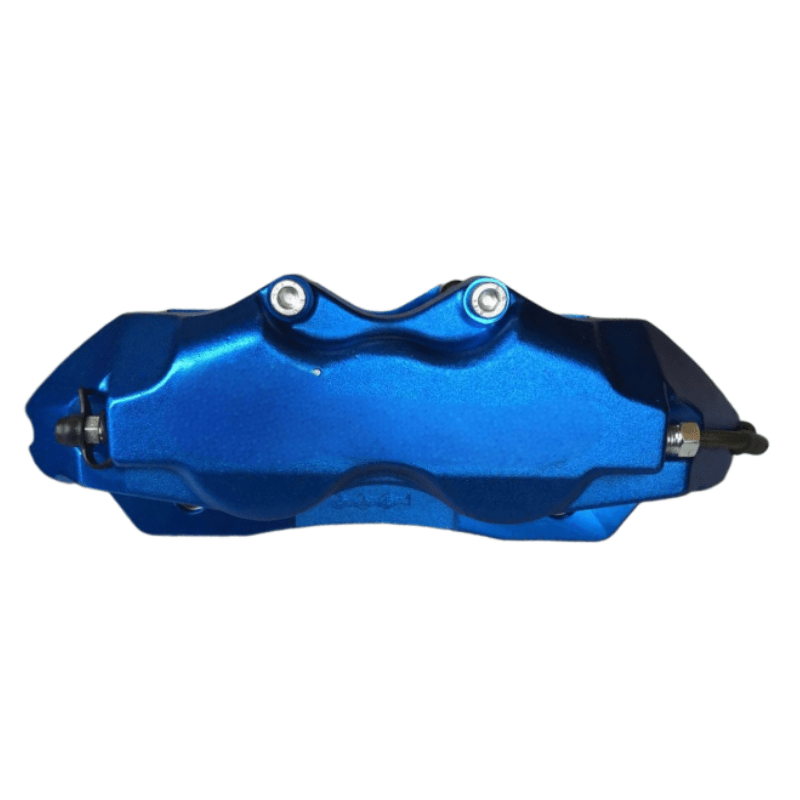
High-performance vehicles and motorsport braking systems often use multi-piston calipers. These designs may include four-piston, six-piston, or even eight-piston configurations depending on the braking requirements of the vehicle.
Multi-piston brake calipers distribute hydraulic pressure more evenly across the entire brake pad surface. This improves braking stability, increases friction efficiency, and reduces the risk of uneven pad wear. For performance vehicles that experience repeated high-speed braking, this improved pressure distribution is critical for maintaining consistent braking performance.
For a detailed comparison of piston configurations, you can read our guide on 4 Piston vs 6 Piston Brake Calipers.
Piston Size and Force Distribution
The diameter of each piston directly influences the clamping force applied to the brake pads. Larger pistons generate greater force when hydraulic pressure is applied, but they also require more fluid displacement from the master cylinder.
Brake engineers must carefully calculate piston diameters to ensure the braking system produces sufficient clamping force while maintaining smooth brake pedal response. Improper piston sizing may result in excessive pedal travel or overly sensitive braking behavior.
Thermal Management in Piston Design
Brake caliper pistons are also exposed to extremely high temperatures during heavy braking. Heat generated by the friction between brake pads and rotors can transfer through the brake pads and into the pistons.
If excessive heat reaches the brake fluid, it can cause brake fluid boiling, leading to brake fade or reduced braking efficiency. To prevent this issue, some performance brake calipers use advanced piston materials such as stainless steel or ceramic inserts that reduce heat transfer.
Manufacturing Precision and Piston Sealing
Precision manufacturing is critical for brake caliper piston performance. Pistons must move smoothly within the caliper bore while maintaining a tight seal that prevents brake fluid leakage. High-quality piston seals ensure reliable hydraulic pressure transmission and protect internal components from contamination.
Professional brake caliper manufacturers use advanced CNC machining and strict quality control processes to ensure piston tolerances meet international automotive safety standards.
Applications in Performance Brake Systems
Multi-piston brake calipers are widely used in performance vehicles, racing cars, and high-performance aftermarket braking systems. These braking systems often combine multi-piston calipers with large brake rotors and high-performance brake pads to maximize stopping power and thermal stability.
Performance brake systems are also commonly used in upgraded braking kits such as those discussed in our case study Big Brake Kit Development Case Study.
Choosing Brake Calipers for Different Applications
When selecting brake calipers for distribution, OEM manufacturing, or performance upgrades, buyers should consider multiple engineering factors including piston configuration, caliper rigidity, material selection, and compatibility with brake pads and rotors.
Understanding piston design principles helps automotive distributors and performance brands choose braking systems that deliver reliable performance under various driving conditions.
Explore Performance Brake Caliper Solutions
If you are sourcing brake calipers for distribution or performance vehicle projects, explore our performance brake calipers or learn more about our brake caliper engineering case studies.