
Contact Our Brake Kit Team
Looking for a high performance brake kit with oversized discs and strong caliper performance? Contact us for product details, pricing, and technical guidance.
Mob: +86 15730082398 WhatsApp: +852 98566946 Email: Angelia@benmagroup.com


OEM vs Aftermarket Brake Calipers: Performance, Cost, and Customization
When upgrading or replacing brake calipers for a performance vehicle, automotive distributors and tuners face a critical decision: OEM (Original Equipment Manufacturer) vs aftermarket brake calipers. Both options have distinct advantages and potential drawbacks depending on your specific needs, including performance, cost, and customization requirements.
This guide compares OEM and aftermarket brake calipers, helping automotive buyers make informed decisions on the best choice for their performance car or project car. We will dive into the engineering differences, advantages, and considerations when selecting between these two brake caliper solutions.

What are OEM Brake Calipers?
OEM brake calipers are components manufactured by the same company that produces the vehicle. These calipers are designed to meet the specifications of the original equipment installed by the car manufacturer. OEM calipers are typically used in new cars and during vehicle service or repairs to replace worn-out or damaged parts.
One of the primary benefits of OEM calipers is that they offer a direct fit replacement, ensuring that they align perfectly with the car’s existing brake system. They are typically designed for reliability, ease of installation, and cost-effectiveness.
Key Advantages of OEM Brake Calipers
- Engineered for precise fit and function with the original vehicle design.
- Easy to install with no need for additional modifications to the vehicle.
- Manufactured to the car manufacturer’s quality standards.
- Cost-effective for standard vehicles and replacement applications.
However, OEM brake calipers are generally designed with a focus on reliability and affordability rather than high-performance characteristics. For standard street vehicles, this is perfectly sufficient. But for performance cars or vehicles used in motorsports, OEM calipers might fall short in terms of heat dissipation, strength, and braking response.
What are Aftermarket Brake Calipers?
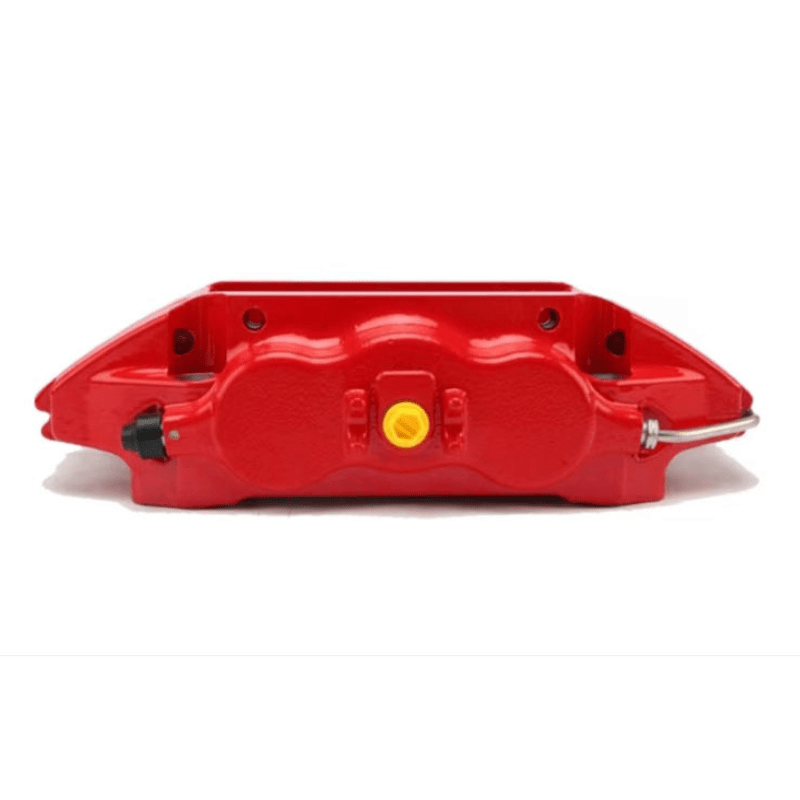
Aftermarket brake calipers are made by third-party manufacturers and are designed to offer improved performance, durability, and customization compared to OEM calipers. These calipers are widely used in the automotive performance market for racing, street cars, and performance upgrades.
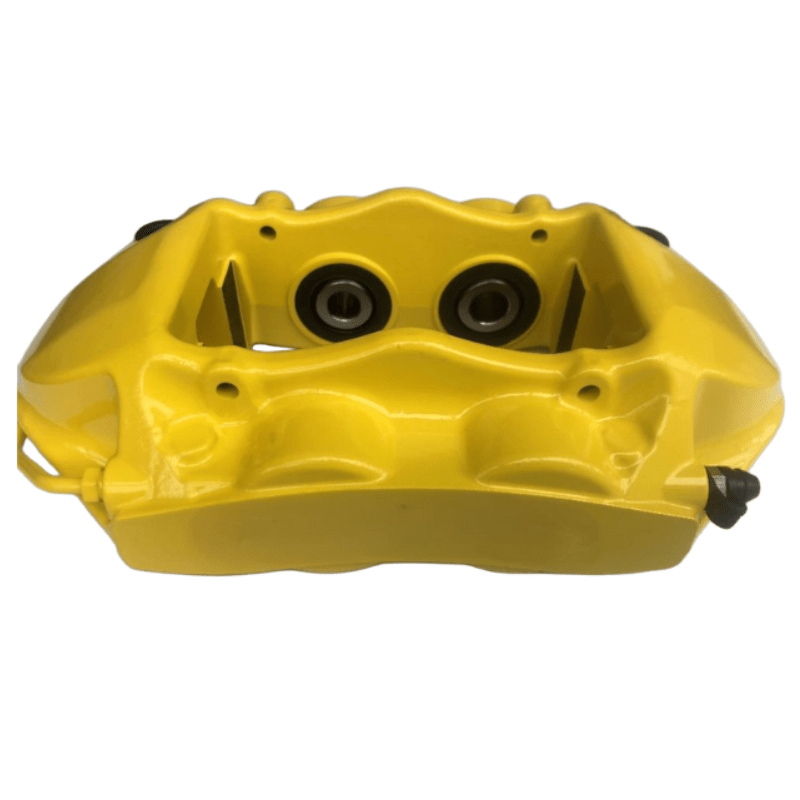
Aftermarket brake calipers are often available in a variety of configurations, such as multi-piston designs (4-piston, 6-piston, or even 8-piston) and are usually made from high-strength materials such as forged aluminum to provide a balance of strength and weight savings.
Key Advantages of Aftermarket Brake Calipers
- Higher performance for improved braking efficiency and response.
- Customizable designs, colors, and finishes for unique aesthetics.
- Better heat dissipation due to advanced materials and design (e.g., forged aluminum).
- Improved braking stability and modulation under extreme conditions.
Aftermarket brake calipers are designed for performance applications, making them the go-to choice for high-performance or motorsport vehicles. These calipers typically feature features like enhanced cooling, advanced piston configurations, and high-quality coatings to improve performance and longevity under high-stress driving conditions.
Performance Comparison: OEM vs Aftermarket Brake Calipers
When comparing OEM and aftermarket brake calipers, the key factors to consider are braking performance, heat management, cost, and customization options.
Braking Power and Heat Management
Braking power and heat management are critical factors in performance braking systems. Aftermarket calipers often outperform OEM calipers in this area due to their ability to dissipate heat more effectively. Performance brake systems, especially on high-speed or race cars, generate a significant amount of heat during braking. If this heat isn’t effectively managed, it can lead to brake fade and reduced stopping power.
Many aftermarket calipers use larger pistons, multi-piston designs, and larger surface areas for the brake pads to make better contact with the brake rotor. These designs provide stronger clamping force and better thermal resistance compared to traditional OEM designs.
Cost Considerations
OEM brake calipers are typically less expensive than aftermarket options. This is because OEM parts are manufactured with the intent to provide a cost-effective replacement for standard vehicles. They are mass-produced using standard materials and designs, keeping costs low.
Aftermarket brake calipers, on the other hand, tend to be more expensive due to their advanced features, performance materials, and custom designs. The cost of aftermarket calipers can vary significantly depending on the manufacturer, the complexity of the design, and the materials used.
Customization and Aesthetics
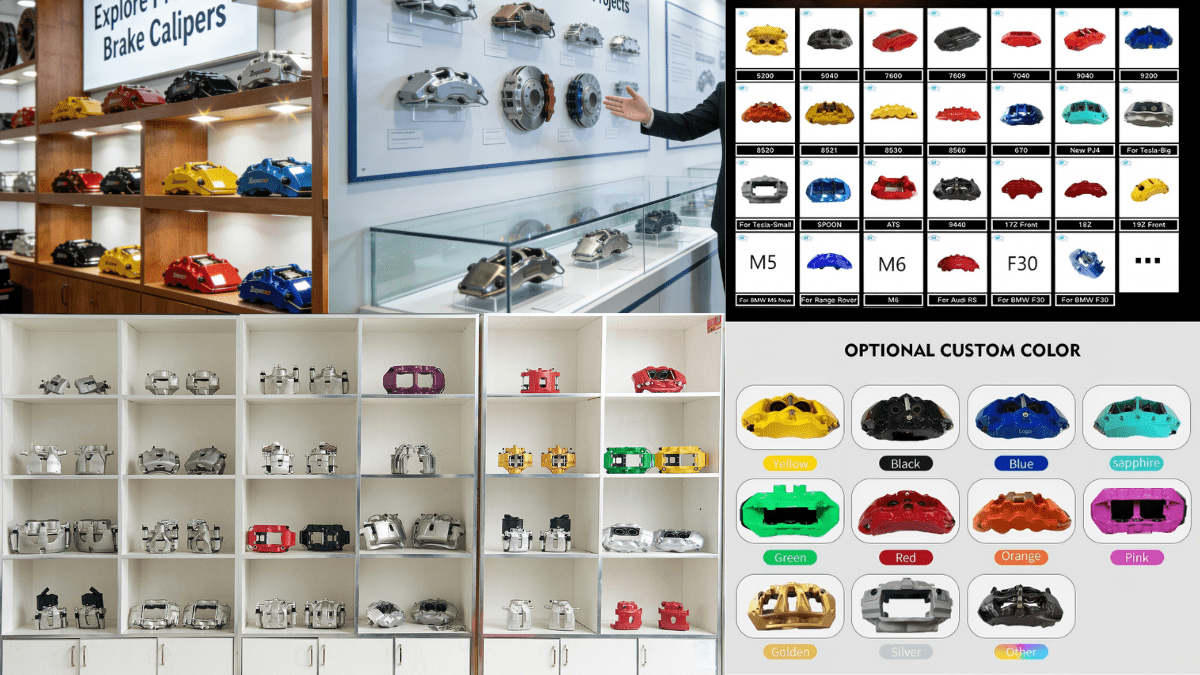
One of the key advantages of aftermarket brake calipers is the ability to customize their appearance. Many aftermarket manufacturers offer a variety of colors, finishes, and designs, allowing car owners to choose calipers that match the aesthetic of their vehicle or brand.
OEM calipers, by contrast, are usually designed with standard finishes that match the vehicle’s factory look and feel. While they may be functional and reliable, they lack the variety and customization options of aftermarket brake calipers.
Choosing the Right Brake Caliper for Your Vehicle
When deciding between OEM and aftermarket brake calipers, consider your vehicle’s purpose and the level of performance you need:
OEM Brake Calipers for Standard Vehicles
OEM brake calipers are ideal for everyday vehicles that do not require extreme braking performance. For commuters, daily drivers, or vehicles used primarily on public roads, OEM brake calipers provide reliable, cost-effective braking solutions.
Aftermarket Brake Calipers for Performance and Racing
If you are building a performance car, a race car, or a track vehicle, aftermarket brake calipers are a better choice. The improved braking power, better heat management, and customizable options make them ideal for vehicles that require high-performance braking systems.
Our article on best brake calipers for performance cars can help you select the most suitable calipers for your high-performance vehicle.
Conclusion
Both OEM and aftermarket brake calipers have their place in the automotive industry. For standard vehicle applications, OEM calipers offer a cost-effective solution that meets basic braking requirements. However, for high-performance, track, or racing vehicles, aftermarket brake calipers provide superior braking performance, heat dissipation, and customization options.
If you are considering upgrading your vehicle’s braking system, it’s important to assess your vehicle’s purpose, performance goals, and budget. Aftermarket calipers are the best option for enhancing performance, while OEM calipers are ideal for maintaining reliability and reducing replacement costs.
Brake Caliper Buyer Considerations
When sourcing brake calipers for a new project or replacement, consider the following key factors:
- Performance goals – Is your vehicle being used for street driving, performance, or motorsport?
- Budget – What is your budget for brake calipers? OEM is more affordable, but aftermarket offers superior performance.
- Customization – Do you want custom colors, finishes, or designs for your calipers?
- Heat management – Ensure that the calipers can withstand high-temperature driving conditions.
- Supplier quality – Consider the reputation of the brake caliper manufacturer and their ability to meet your specific needs.