



Contact Our Brake Caliper Team
Looking for high-performance brake calipers or custom brake solutions? Contact us directly for product details, pricing, and technical support.
Mob: +86 15730082398
WhatsApp: +852 98566946
Email: Angelia@benmagroup.com


Best Brake Calipers for Performance Cars
Performance vehicles demand braking systems capable of delivering exceptional stopping power, stability, and thermal durability. While engine upgrades and suspension tuning often receive attention in the automotive performance world, braking performance is equally critical for vehicle safety and high-speed control.
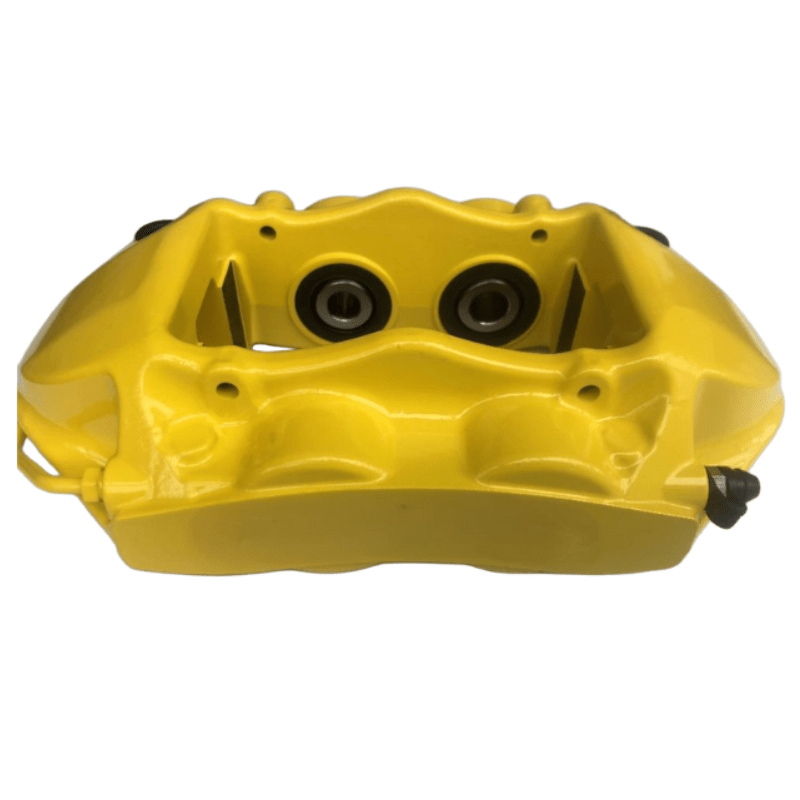
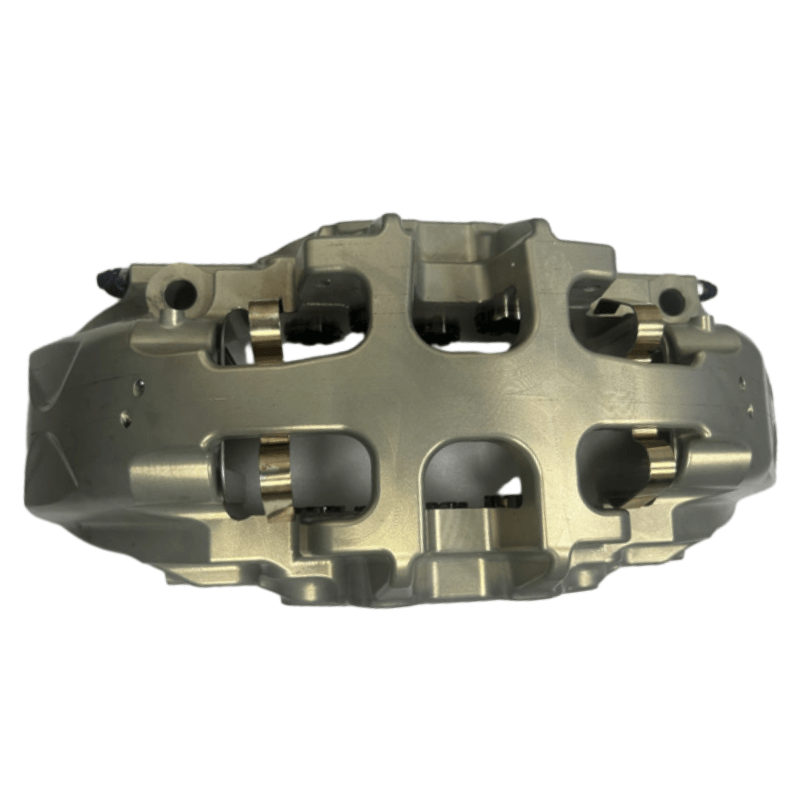
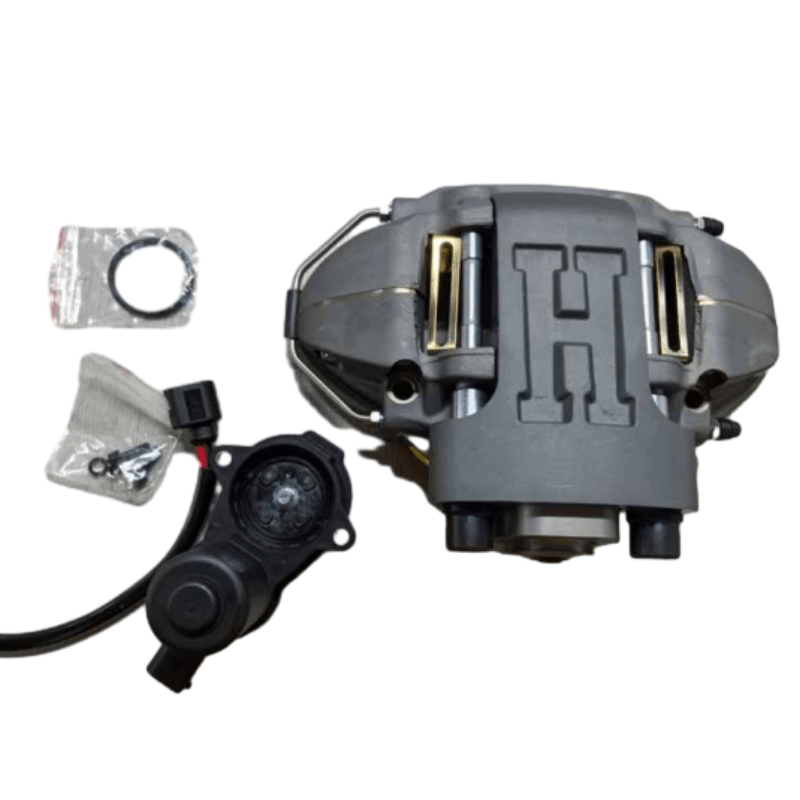
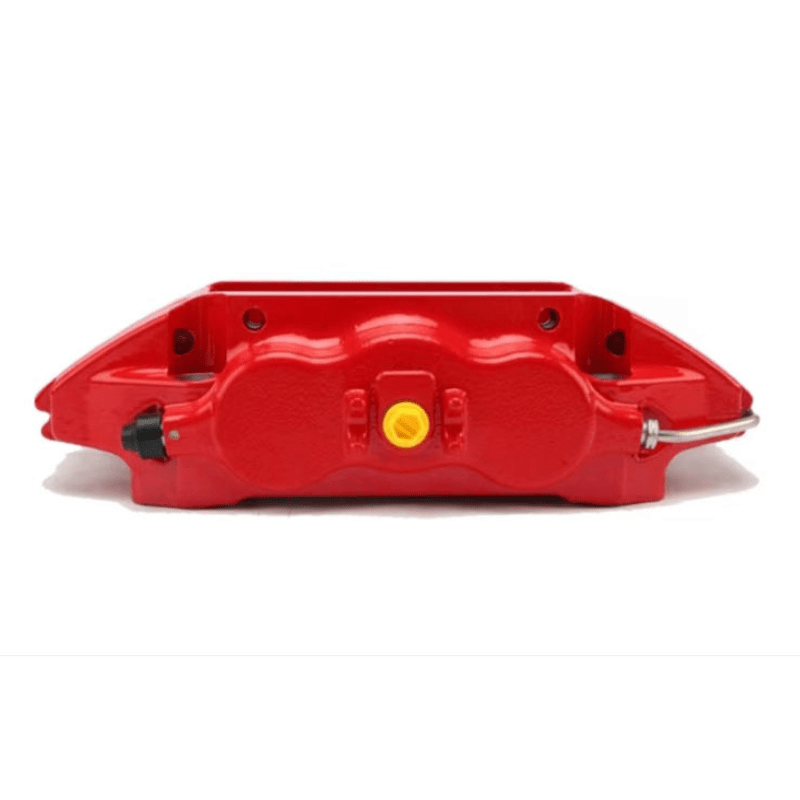
The best brake calipers for performance cars are engineered to provide stronger clamping force, improved heat dissipation, and better braking consistency during aggressive driving conditions. High-performance braking systems are widely used in sports cars, track vehicles, racing applications, and premium aftermarket upgrades.
For automotive distributors, performance brands, and tuning companies sourcing braking components, selecting the right brake caliper design is essential for delivering reliable braking performance and maintaining product quality.
This guide explains how performance brake calipers work, what features define high-quality calipers, and how automotive buyers evaluate braking components for high-performance vehicles.
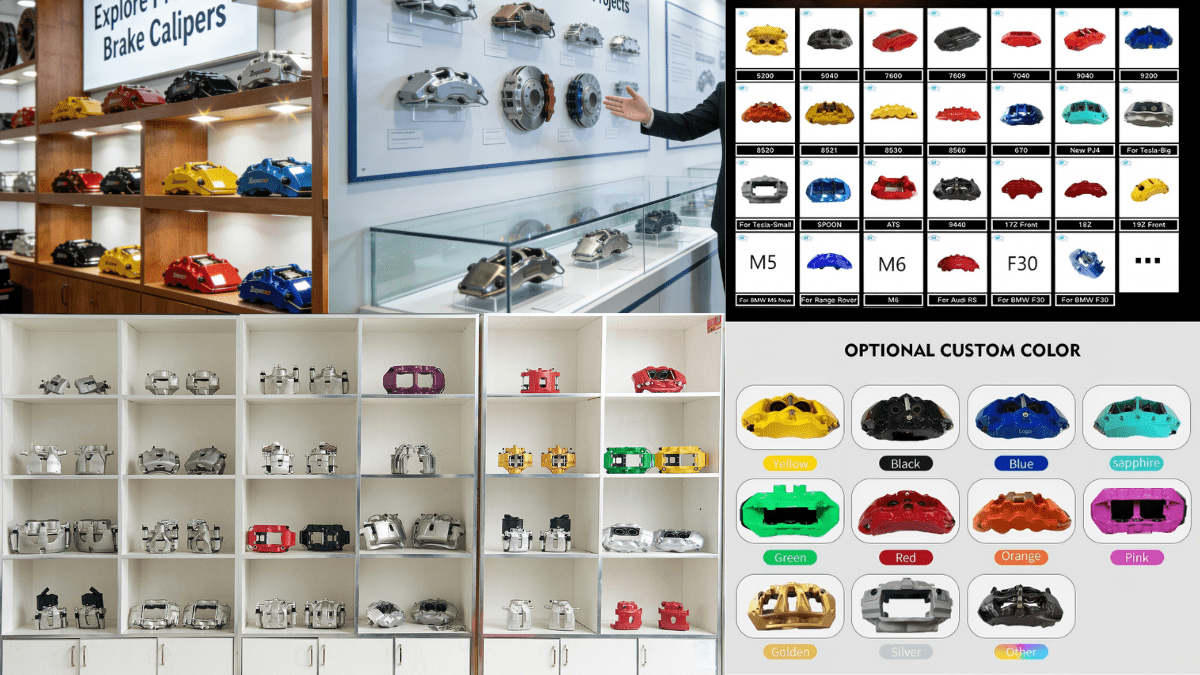
What Makes a Brake Caliper Suitable for Performance Cars
A brake caliper is responsible for converting hydraulic pressure from the braking system into mechanical clamping force applied to the brake rotor. When the brake pedal is pressed, brake fluid pushes pistons inside the caliper housing, forcing brake pads against the rotor.
In performance vehicles, braking systems are exposed to significantly higher loads than standard passenger cars. High-speed driving, aggressive braking, and repeated heat cycles require braking components that can maintain consistent performance without fading.
The best performance brake calipers are designed with several key engineering features:
Key Characteristics of Performance Brake Calipers
- Multi-piston design for improved pressure distribution
- Forged aluminum construction for high strength
- High structural rigidity for consistent braking response
- Improved heat dissipation during repeated braking
- Precision CNC machining for accurate piston movement
Multi-Piston Brake Calipers for High Performance
One of the most important features of modern performance braking systems is the use of multi-piston brake calipers. Unlike traditional floating calipers, which typically use a single piston, performance calipers use multiple pistons to distribute braking force evenly across the brake pads.
Four-piston and six-piston calipers are commonly used in sports cars and racing vehicles because they provide stronger clamping force and improved brake modulation.
Even pressure distribution reduces uneven brake pad wear and improves braking stability under heavy loads.
You can learn more about piston configurations in our detailed comparison of 4 piston vs 6 piston brake calipers.
Forged Aluminum Brake Calipers
Material selection plays an important role in determining brake caliper performance. Most high-performance calipers are manufactured from aluminum alloys because aluminum offers a strong balance between strength and weight.
Forged aluminum calipers are widely used in performance applications because the forging process produces a denser metal grain structure compared with casting.
This improved structural density increases strength and resistance to deformation under hydraulic pressure.
Forged brake calipers are also lighter, which helps reduce unsprung weight and improves suspension response.
Our engineering comparison of forged vs cast brake calipers explains these differences in more detail.
Brake Caliper Structural Rigidity
Structural rigidity is another critical factor affecting braking performance. When hydraulic pressure pushes the pistons outward, the caliper housing must remain rigid in order to convert hydraulic force into effective clamping force.
If the caliper body flexes during braking, some of the hydraulic pressure is absorbed by structural deformation instead of being applied to the brake pads.
High-performance brake calipers are engineered with reinforced bridge structures and optimized body geometry to maintain structural strength under heavy loads.
Our guide on brake caliper structural rigidity and strength explains how engineers design high-stiffness braking components.
Heat Dissipation and Brake Fade Resistance
Heat management is one of the most important challenges in high-performance braking systems. During aggressive driving or track use, brake rotor temperatures can exceed 500°C.
Performance brake calipers are designed to withstand these extreme temperatures while maintaining structural stability and piston movement accuracy.
Improved heat dissipation helps prevent brake fade, which occurs when braking components overheat and lose effectiveness.
Advanced cooling channels and high-temperature seals are often used in motorsport braking systems.
You can explore this topic further in our article on brake caliper heat dissipation technology.
Big Brake Kits for Performance Upgrades
Many performance car owners upgrade their braking systems using big brake kits. A big brake kit typically includes larger brake calipers, larger brake rotors, and upgraded mounting brackets.
Increasing rotor diameter improves braking leverage while multi-piston calipers provide stronger and more consistent clamping force.
Big brake kits are widely used in motorsport vehicles, track-focused sports cars, and aftermarket performance builds.
Learn more about how braking systems are engineered in our big brake kit development case study.
OEM vs Aftermarket Performance Brake Calipers
Automotive buyers often compare OEM brake components with aftermarket performance calipers when selecting braking systems.
OEM brake calipers are designed primarily for cost efficiency and reliability in standard vehicles. Aftermarket performance calipers prioritize improved braking power, thermal durability, and visual design.
Many automotive distributors also develop private-label braking products for their own brands.
Our guide on OEM vs aftermarket brake calipers explains the differences between these two product categories.
Choosing a Reliable Brake Caliper Supplier
For automotive distributors and performance brands, selecting the right manufacturer is an important part of building a successful braking product line.
Professional buyers evaluate several factors when sourcing brake calipers internationally, including engineering capability, production capacity, quality control systems, and customization options.
If you are sourcing brake components globally, our guide on how to choose a brake caliper supplier explains how experienced buyers evaluate manufacturing partners.
Recommended Brake Caliper Knowledge
Brake Caliper Technology
- Brake Caliper Heat Dissipation Technology
- Brake Caliper Structural Rigidity and Strength
- Brake Caliper Piston Design
- Brake Caliper Materials
- Brake Caliper Design Engineering
Brake Caliper Buyer Guides
- Best Brake Calipers for Performance Cars
- Forged vs Cast Brake Calipers
- 4 Piston vs 6 Piston Brake Calipers
- OEM vs Aftermarket Brake Calipers
- How to Choose a Brake Caliper Supplier
- Brake Caliper Manufacturing Process
Brake Caliper Development Cases
Explore Brake Caliper Products
If you are sourcing braking components for automotive distribution or performance upgrades, you can explore our full product catalog.
Looking for a Reliable Brake Caliper Manufacturer?
We supply high-performance brake calipers, OEM brake components, and custom big brake kits for automotive distributors and performance brands worldwide.
Request a QuoteBrake Caliper FAQs
What brake calipers are best for performance cars?
Multi-piston forged aluminum brake calipers are widely considered the best choice for performance vehicles because they provide stronger clamping force and improved heat resistance.
Do performance brake calipers improve stopping power?
Yes. Performance calipers increase braking efficiency by distributing pressure evenly across the brake pads and improving heat dissipation.
Are big brake kits necessary for performance cars?
Big brake kits are not required for every vehicle, but they significantly improve braking power and thermal stability for high-performance driving.


