
Contact Our Brake Caliper Team
Looking for high-performance brake calipers or custom brake solutions? Contact us directly for product details, pricing, and technical support.
Mob: +86 15730082398
WhatsApp: +852 98566946
Email: Angelia@benmagroup.com


Big Brake Kit Development Case Study
High-performance vehicles demand braking systems capable of handling extreme speeds, repeated heavy braking, and elevated temperatures. Standard factory brake systems often struggle to meet these demands, especially when vehicles are modified for track use or high-performance driving.
For this reason, many automotive performance brands and distributors develop big brake kits designed specifically for sports cars and racing applications.
This article presents a real-world big brake kit development case study, explaining how a performance brake system is engineered from concept to production.
The case highlights the key stages involved in designing a reliable braking system that delivers improved stopping power, better heat management, and enhanced durability.
Project Background
In this development project, a performance automotive distributor required a custom big brake kit designed for a popular sports coupe platform.
The client’s goal was to create a brake upgrade capable of delivering:
- Improved braking performance during aggressive driving
- Better heat dissipation during track use
- Enhanced visual appeal for the performance market
- Reliable durability under repeated braking cycles
The development project required collaboration between the distributor and a professional brake caliper manufacturer to design and produce a fully compatible braking system.
Performance Requirements
Before the engineering phase began, the project team defined a set of performance targets for the new big brake kit.
The system needed to outperform the factory brake setup in several key areas:
- Higher braking torque
- Improved thermal stability
- Reduced brake fade
- Better pedal response
- Compatibility with existing suspension components
These requirements guided the design of the calipers, rotors, and mounting brackets used in the brake system.
Engineering Design Process
The development of a big brake kit begins with detailed engineering design.
Engineers analyze the vehicle’s braking system geometry, including rotor size, wheel clearance, suspension layout, and mounting points.
Using CAD software, the design team develops a new brake caliper configuration that provides increased clamping force while maintaining compatibility with the vehicle platform.
The engineering phase typically includes:
- Vehicle measurement and data collection
- Brake system simulation
- Caliper structural design
- Rotor size optimization
- Bracket and mounting system design
Brake caliper structural strength is particularly important for high-performance applications. Learn more in our guide to brake caliper structural rigidity and strength.
Caliper Configuration
To achieve the required braking performance, the engineering team selected a multi-piston caliper design.
Multi-piston brake calipers distribute braking force more evenly across the brake pads, resulting in improved braking stability and better heat distribution.
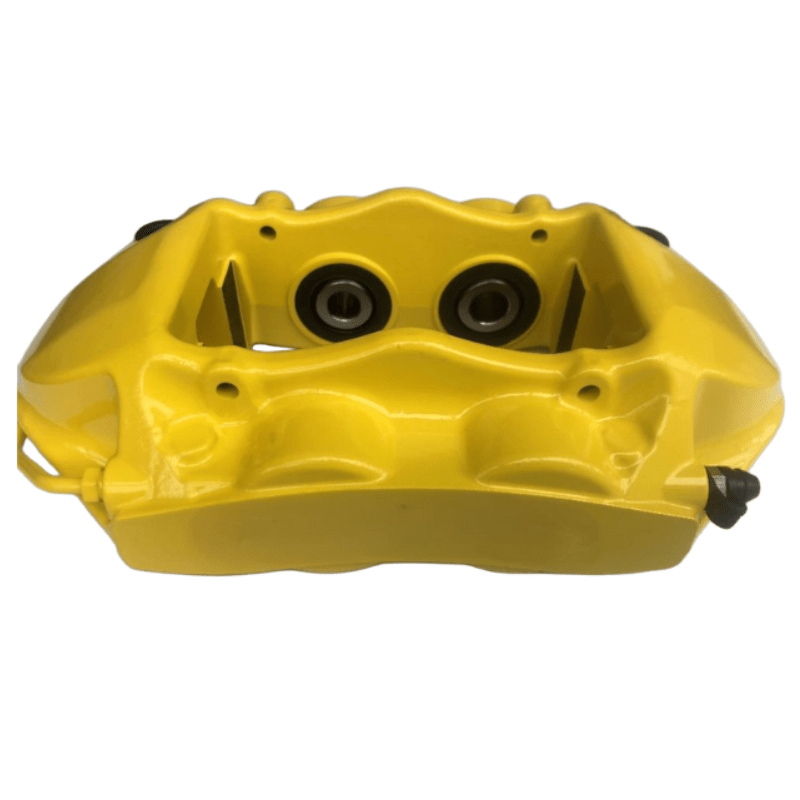
In this project, the final design utilized a six-piston forged aluminum brake caliper paired with a larger diameter brake rotor.
Forged aluminum calipers provide excellent strength while maintaining a lightweight design that reduces unsprung mass.
For a detailed comparison, see our article on 4 piston vs 6 piston brake calipers.
Prototype Manufacturing
Once the design phase was completed, prototype brake components were manufactured for testing.
The prototypes included:
- Forged aluminum brake calipers
- Custom mounting brackets
- Larger performance brake rotors
- High-performance brake pads
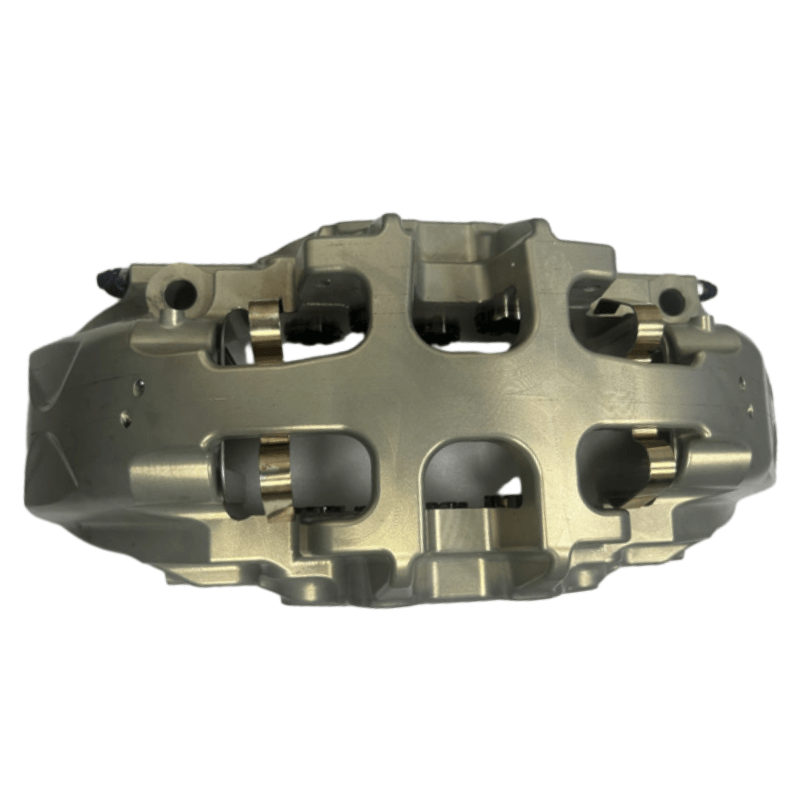
The caliper bodies were produced using forging and CNC machining processes to ensure structural strength and precise tolerances.
To understand how brake components are produced, see our guide to the brake caliper manufacturing process.
Performance Testing
After manufacturing the prototype components, the brake kit underwent extensive performance testing.
Testing included both laboratory evaluation and real-world vehicle testing.
The engineering team evaluated the brake system under several conditions:
- Repeated high-speed braking
- Thermal stress testing
- Hydraulic pressure testing
- Track driving simulation
During these tests, engineers measured brake temperature, stopping distance, and pedal response.
The results confirmed significant improvements in braking performance compared with the factory braking system.
Final Production and Customization
After successful testing, the big brake kit moved into full production.
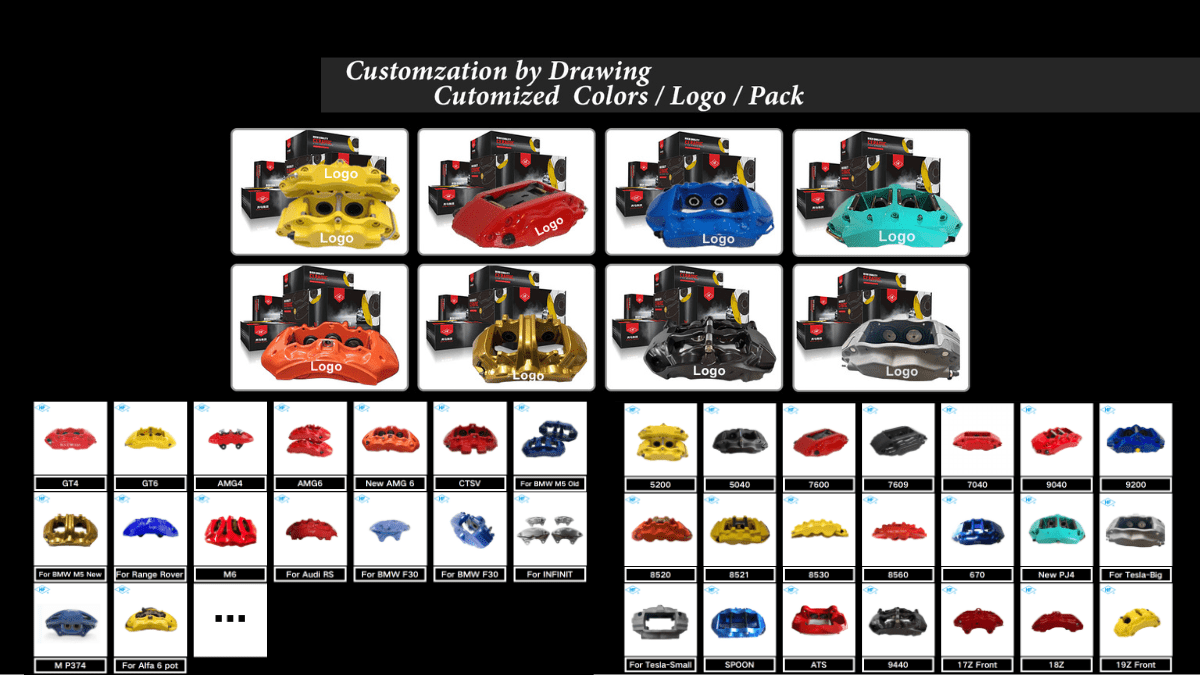
The manufacturer also offered several customization options to support the distributor’s branding strategy.
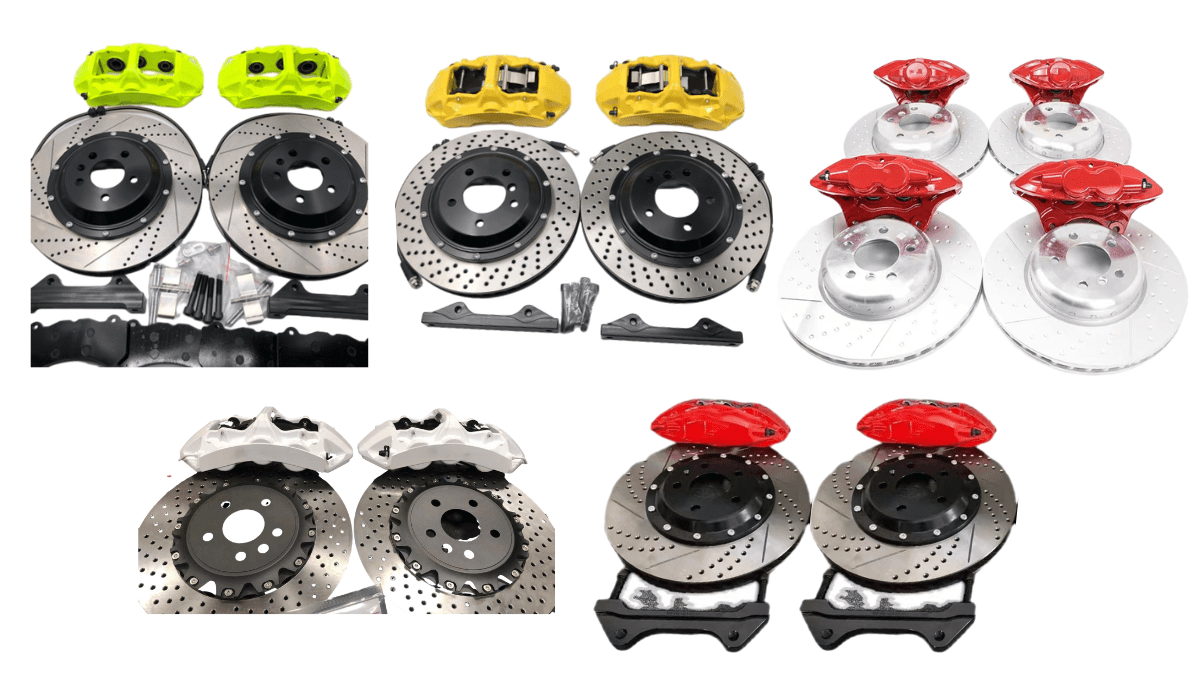
Customization services included:
- Custom anodized brake caliper colors
- Laser-engraved brand logos
- Private label packaging
- Vehicle-specific brake kits
Custom anodized finishes were particularly popular among customers seeking both performance and visual appeal.
You can learn more in our article on custom color anodized brake calipers.
Recommended Brake Caliper Knowledge
Brake Caliper Technology
- Brake Caliper Heat Dissipation Technology
- Brake Caliper Structural Rigidity and Strength
- Brake Caliper Materials
- Brake Caliper Design Engineering
Brake Caliper Buyer Guides
- Best Brake Calipers for Performance Cars
- Forged vs Cast Brake Calipers
- 4 Piston vs 6 Piston Brake Calipers
- OEM vs Aftermarket Brake Calipers
- How to Choose a Brake Caliper Supplier
- Brake Caliper Manufacturing Process
Brake Caliper Development Cases
Explore Brake Caliper Products
If you are sourcing braking components for automotive distribution or performance upgrades, explore our product catalog.
Develop Your Own Big Brake Kit
We help automotive distributors and performance brands develop custom big brake kits, forged brake calipers, and OEM braking systems.
Request a QuoteBig Brake Kit FAQs
What is a big brake kit?
A big brake kit is an upgraded braking system that typically includes larger brake rotors, multi-piston calipers, and high-performance brake pads designed to improve stopping power.
Why do performance cars use big brake kits?
Big brake kits provide improved braking torque, better heat dissipation, and reduced brake fade during aggressive driving or track use.
Are big brake kits suitable for daily driving?
Yes. Many performance brake kits are designed for both daily driving and track use, offering improved braking performance without sacrificing reliability.