Custom Brake Caliper Project for Performance Cars
High-performance vehicles require braking systems capable of delivering strong and consistent stopping power under extreme driving conditions. Standard factory brake components are often designed for everyday driving rather than high-performance or motorsport environments.
For this reason, many automotive brands, tuning companies, and performance distributors develop custom brake caliper projects tailored specifically for performance vehicles.
Custom brake calipers are engineered to provide improved braking force, better heat management, and enhanced durability while also allowing brands to create visually distinctive braking systems.
This article explores how a custom brake caliper project is developed, from initial design and engineering to manufacturing and final production.
Project Background
In this project, a performance automotive brand approached a brake manufacturer to develop a custom braking solution for a high-performance sports car platform.
The goal was to design a braking system that could support both aggressive street driving and track-day performance while maintaining compatibility with the vehicle’s suspension and wheel configuration.
The project required collaboration between engineers, manufacturing specialists, and the brand’s product development team.
The primary objectives included:
- Improved braking performance compared with the factory brake system
- Enhanced heat dissipation during repeated braking
- Reduced brake fade in high-temperature conditions
- Custom branding and visual appearance
Engineering Design and Vehicle Analysis
The first stage of the project involved a detailed analysis of the vehicle’s braking system.
Engineers collected technical data including rotor size, mounting points, wheel clearance, and suspension geometry.
This information allowed the design team to develop a brake caliper configuration that would integrate seamlessly with the existing vehicle platform.
During the engineering phase, the team focused on several key design factors:
- Brake caliper structural rigidity
- Piston configuration and hydraulic balance
- Rotor diameter optimization
- Brake pad compatibility
Structural rigidity is especially important for high-performance braking systems because it ensures that braking force is transmitted efficiently to the brake pads.
You can learn more about this topic in our guide to brake caliper structural rigidity and strength.
Selection of Multi-Piston Calipers
To achieve improved braking performance, the engineering team selected a multi-piston brake caliper design.
Multi-piston calipers provide more even pressure distribution across the brake pads, which improves braking stability and reduces uneven pad wear.
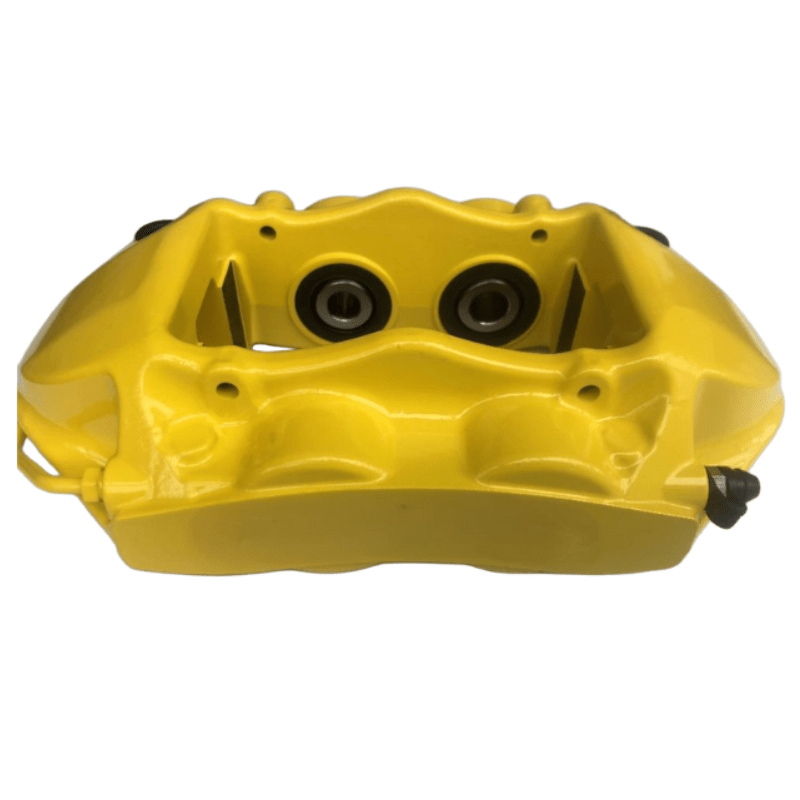
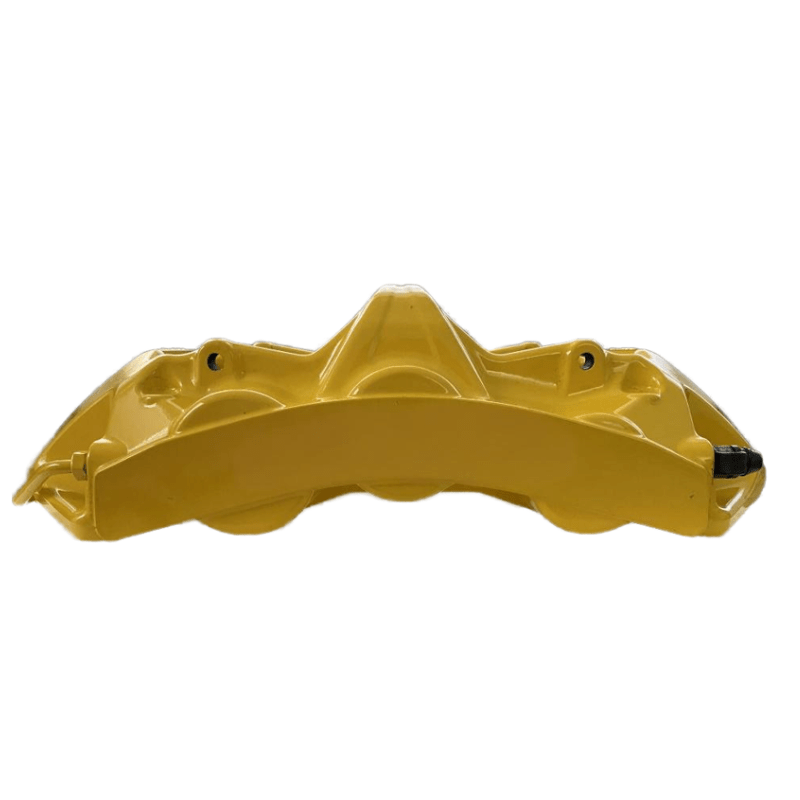
For this particular project, the final configuration used a forged aluminum six-piston brake caliper paired with a larger performance brake rotor.
This design increased braking torque while maintaining precise control and consistent pedal feel.
You can learn more about piston configurations in our article on 4 piston vs 6 piston brake calipers.
Prototype Manufacturing
After completing the engineering design, the next stage involved manufacturing prototype brake components.
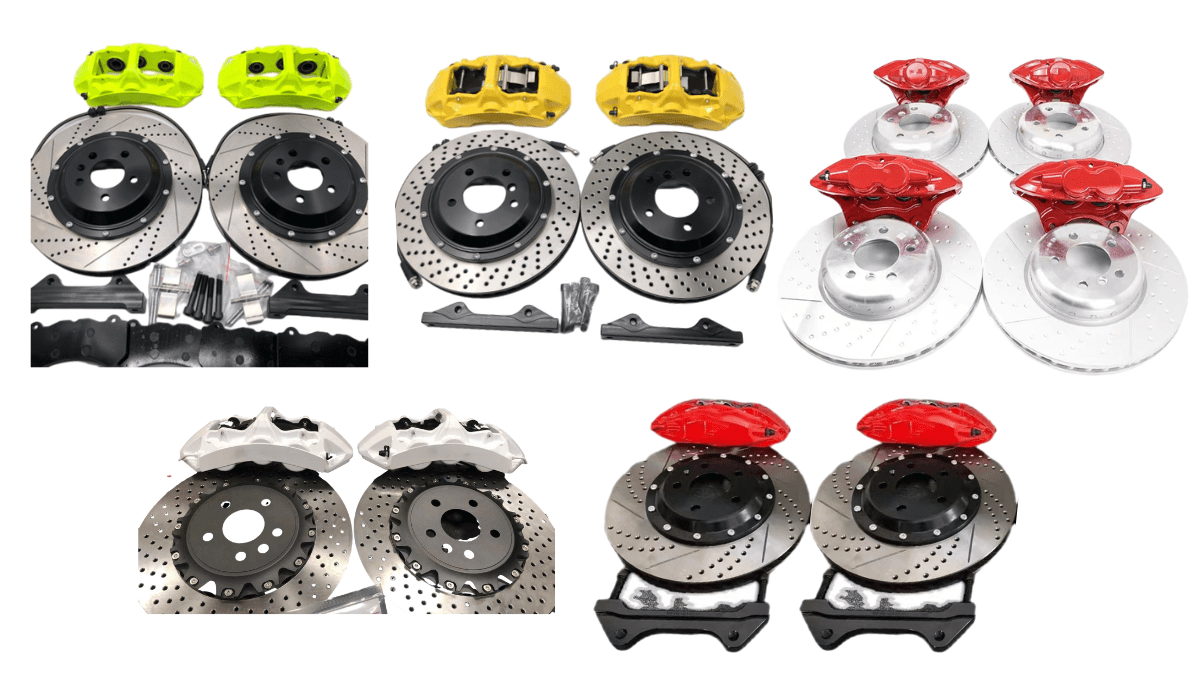
The prototype system included:
- Forged aluminum brake calipers
- Custom mounting brackets
- Larger diameter performance brake rotors
- High-performance brake pads
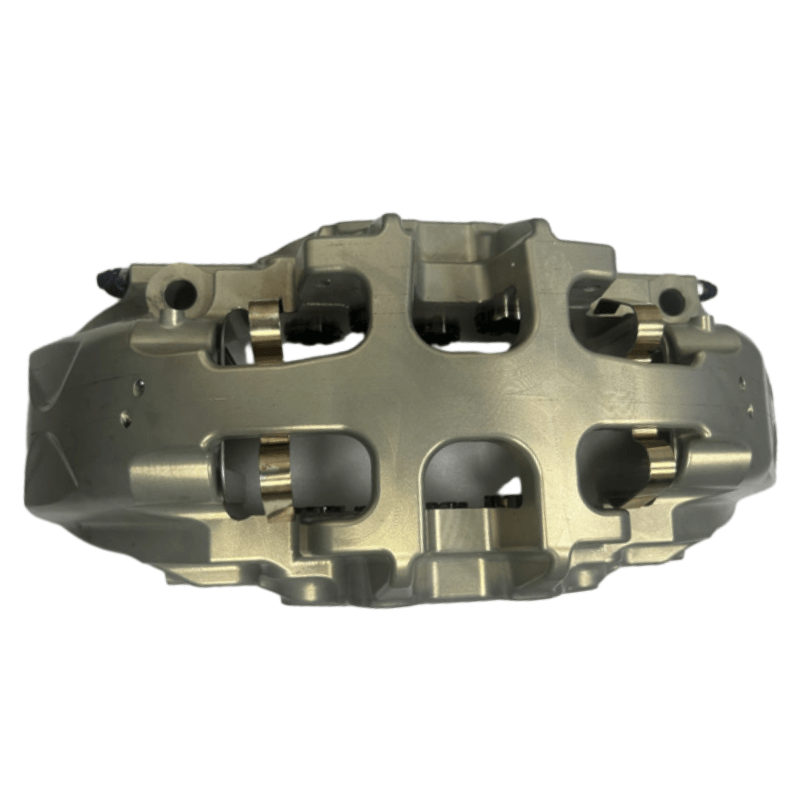
Brake calipers were produced using advanced forging techniques followed by precision CNC machining.
This process ensures both structural strength and high dimensional accuracy.
To understand how brake calipers are produced, see our article on the brake caliper manufacturing process.
Testing and Performance Validation
Once the prototype braking system was installed on the test vehicle, engineers conducted extensive testing to evaluate braking performance.
The testing program included:
- High-speed braking tests
- Repeated braking cycles to simulate track driving
- Thermal stress testing
- Hydraulic pressure evaluation
These tests allowed engineers to measure brake temperature, stopping distance, and pedal response.
The results confirmed that the new braking system provided improved stopping performance and better heat management compared with the original factory system.
Brand Customization and Final Production
After successful testing and validation, the custom brake caliper system moved into full production.
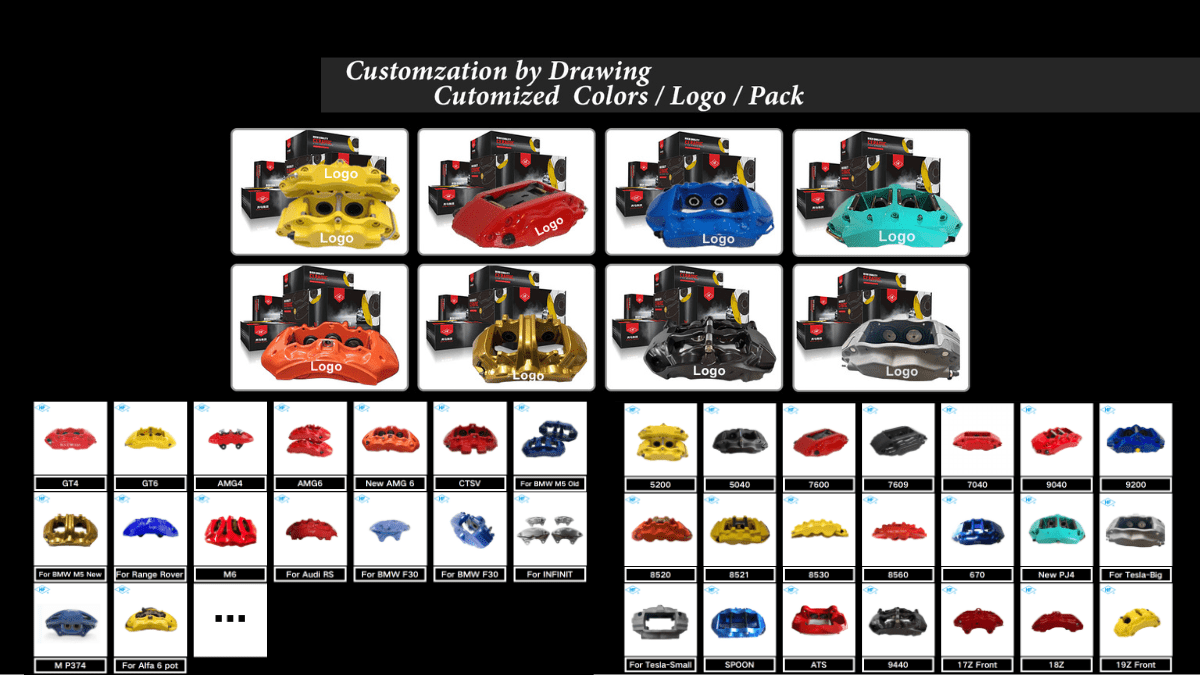
Because this project was designed for a performance brand, visual customization was an important part of the final product.
The manufacturer provided several customization options:
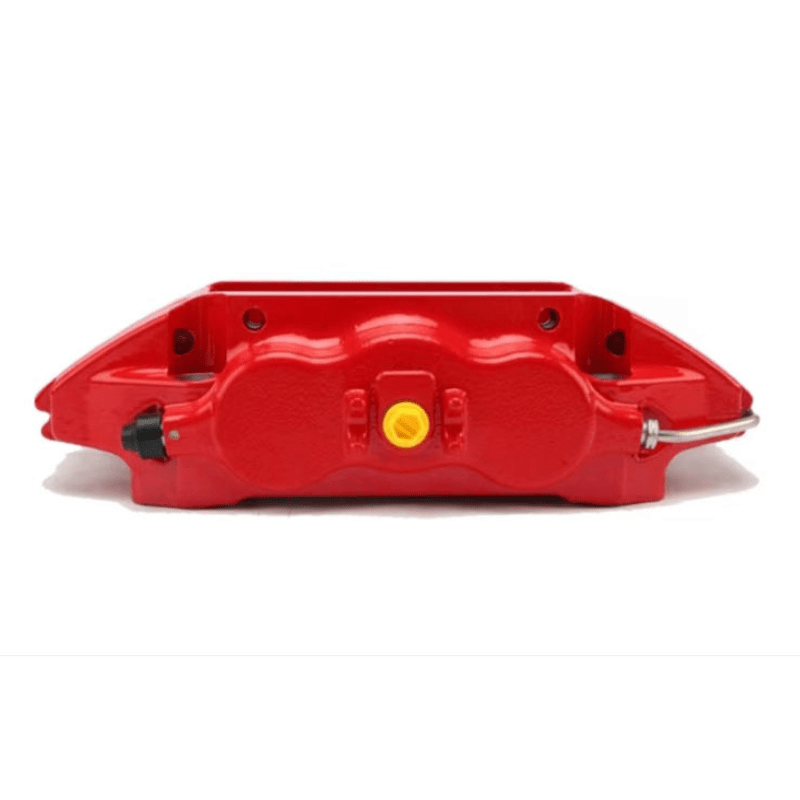
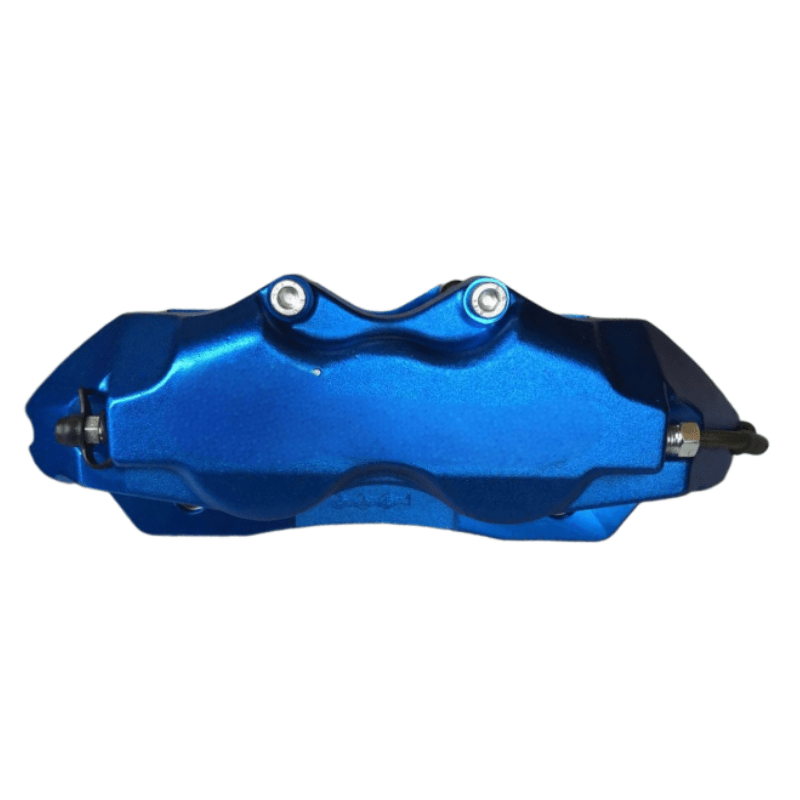
- Custom anodized brake caliper colors
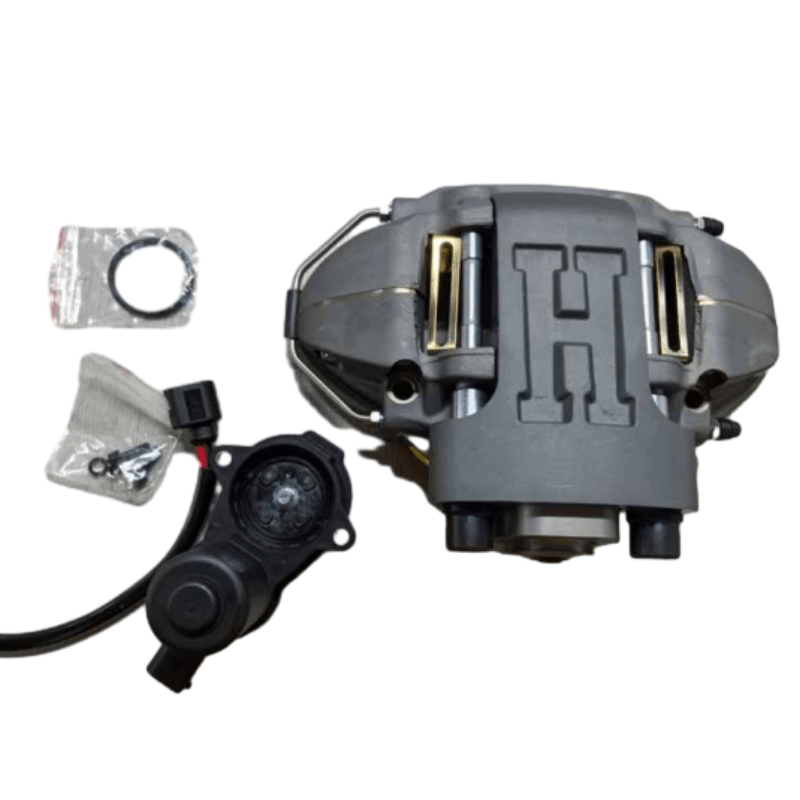
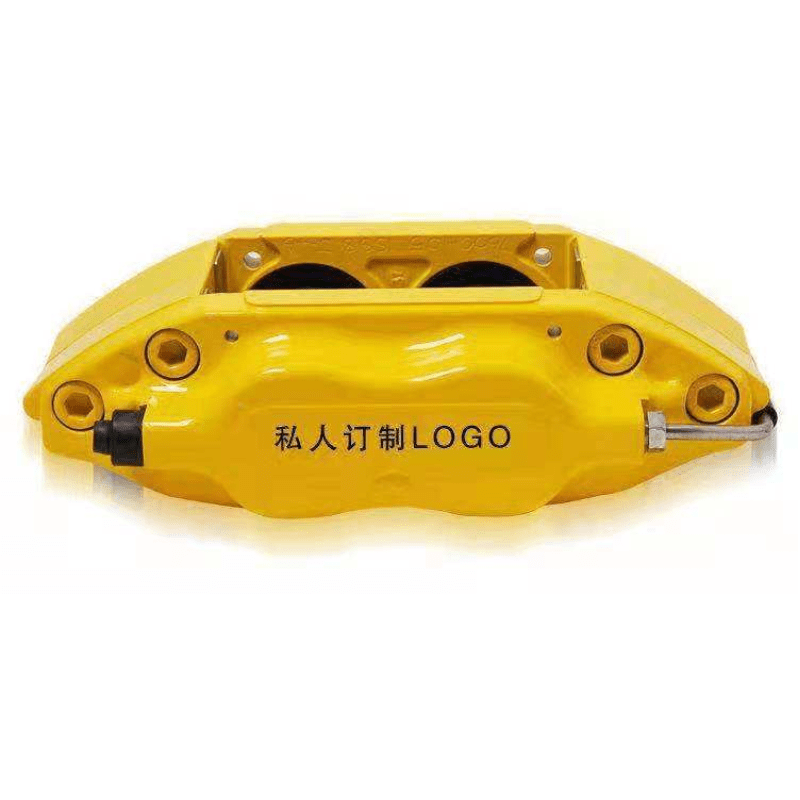
- Laser engraved brand logos
- Private label packaging
- Vehicle-specific brake kit configurations
Custom anodized finishes are widely used in performance braking systems because they provide both durability and distinctive appearance.
You can learn more in our article on custom color anodized brake calipers.
Recommended Brake Caliper Knowledge
Brake Caliper Technology
- Brake Caliper Heat Dissipation Technology
- Brake Caliper Structural Rigidity and Strength
- Brake Caliper Materials
- Brake Caliper Design Engineering
Brake Caliper Buyer Guides
- Best Brake Calipers for Performance Cars
- Forged vs Cast Brake Calipers
- 4 Piston vs 6 Piston Brake Calipers
- OEM vs Aftermarket Brake Calipers
- How to Choose a Brake Caliper Supplier
- Brake Caliper Manufacturing Process
Brake Caliper Development Cases
Explore Brake Caliper Products
If you are sourcing braking components for automotive distribution or performance upgrades, explore our product catalog.
Start Your Custom Brake Caliper Project
We help automotive brands and performance distributors develop custom brake calipers, big brake kits, and OEM braking systems.
Request a QuoteCustom Brake Caliper FAQs
What is a custom brake caliper project?
A custom brake caliper project involves designing and manufacturing brake calipers specifically for a vehicle platform or performance brand.
Why do performance cars use custom brake calipers?
Custom brake calipers improve braking performance, heat management, and visual styling compared with standard factory brake systems.
Can brake calipers be customized with brand colors?
Yes. Manufacturers often offer anodized finishes and laser-engraved logos for branding purposes.