



Contact Our Brake Caliper Team
Looking for high-performance brake calipers or custom brake solutions? Contact us directly for product details, pricing, and technical support.
Mob: +86 15730082398
WhatsApp: +852 98566946
Email: Angelia@benmagroup.com


Brake Caliper Design Explained: Engineering Principles Behind Modern Braking Systems
Brake calipers are one of the most important components in a modern disc braking system. Their primary role is to convert hydraulic pressure generated by the braking system into mechanical clamping force that presses brake pads against the brake rotor. The effectiveness of this process directly influences vehicle stopping distance, braking stability, and long-term reliability.
For automotive manufacturers, performance car builders, and brake system distributors, understanding brake caliper design is essential when selecting braking components or evaluating potential suppliers. The structural design, material selection, piston configuration, and manufacturing technology all influence how efficiently a brake caliper performs under real-world driving conditions.

How Brake Calipers Work in a Disc Brake System
When a driver presses the brake pedal, hydraulic pressure travels through the brake lines and into the caliper. Inside the caliper housing, one or more pistons extend outward and push the brake pads against the rotating brake rotor. This friction between the brake pads and rotor converts the vehicle’s kinetic energy into heat, slowing the vehicle.
Although the basic principle is simple, the engineering challenges behind brake caliper design are complex. Engineers must balance multiple factors including braking force, heat management, structural rigidity, weight, and manufacturing efficiency. Optimizing these parameters allows modern braking systems to deliver reliable stopping power under a wide range of driving conditions.
Key Structural Components of a Brake Caliper
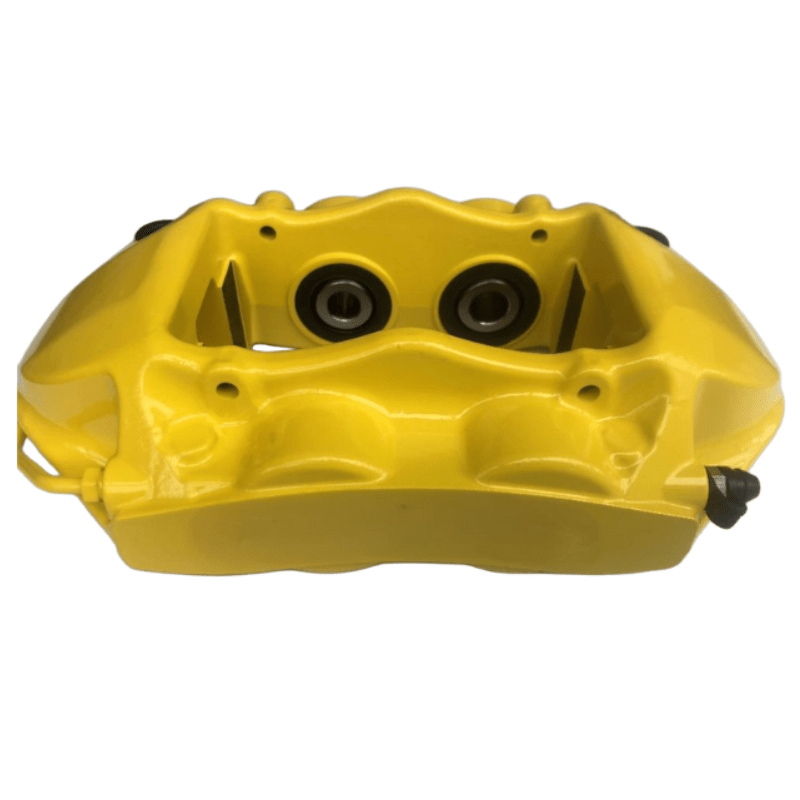
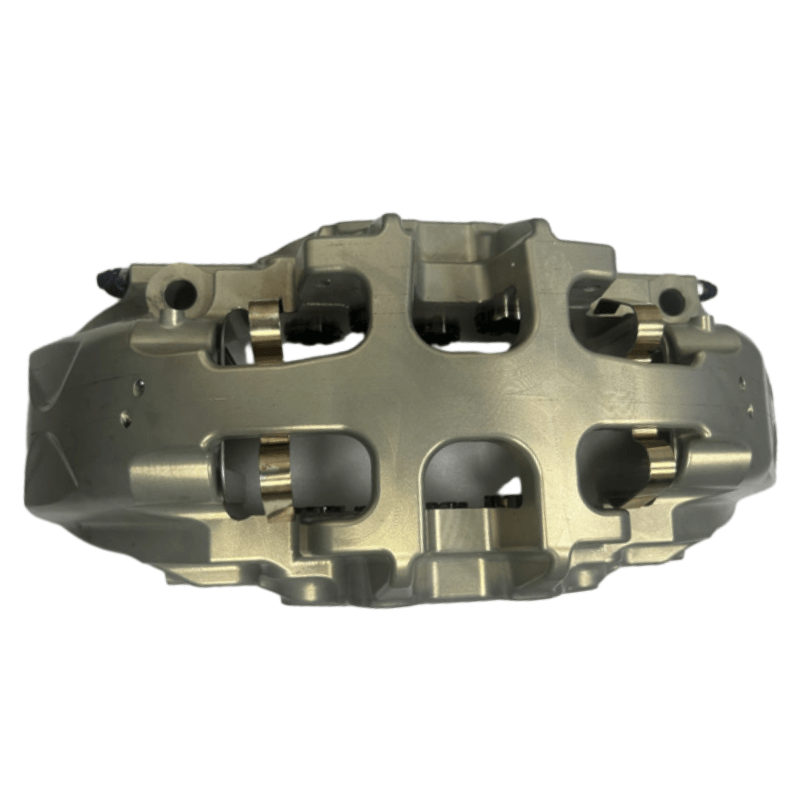
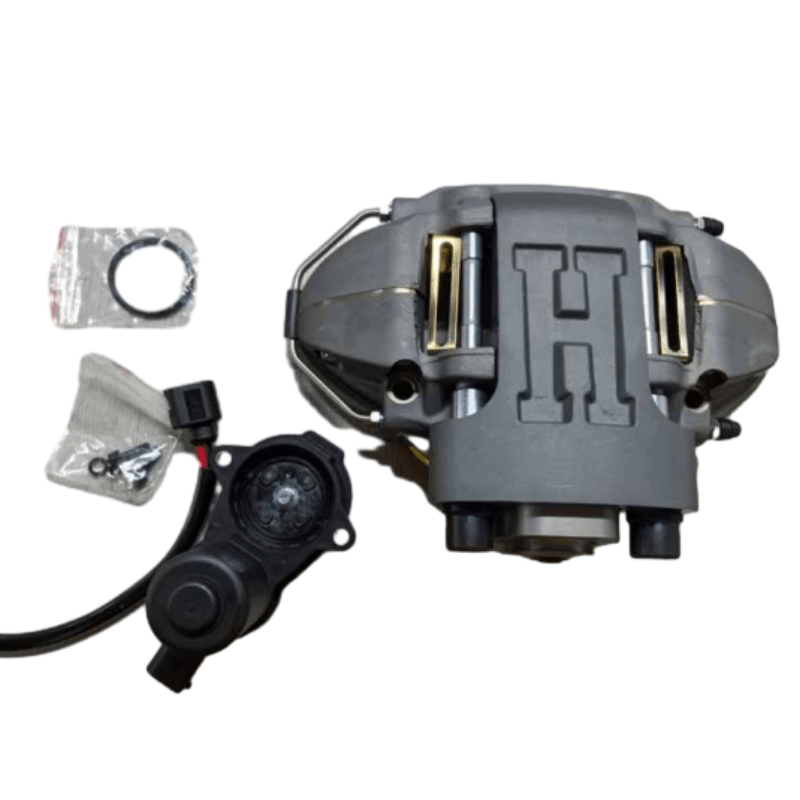
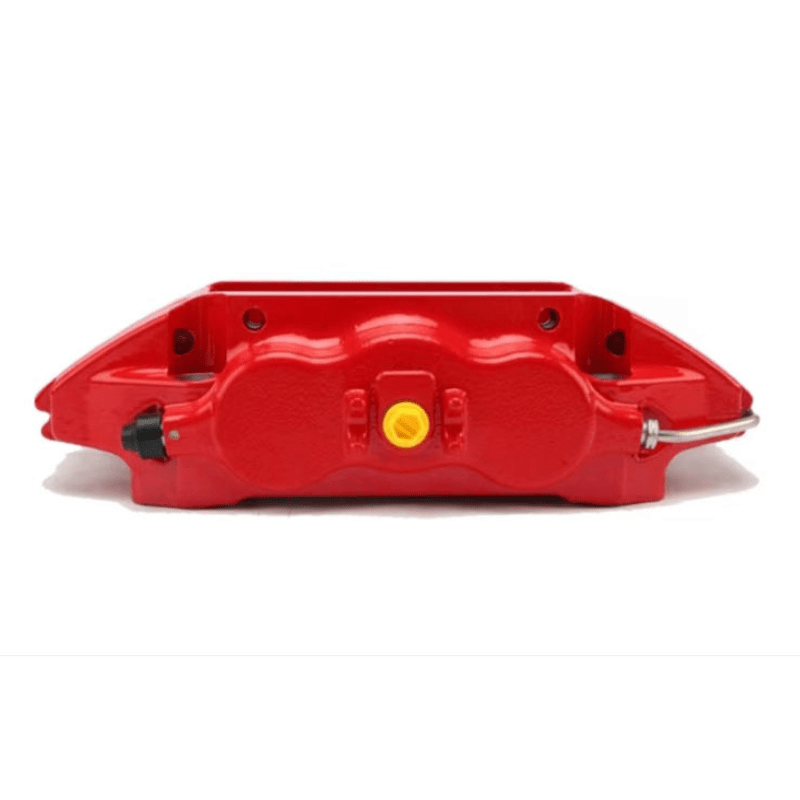
A typical brake caliper assembly consists of several critical components that work together to produce consistent braking performance.
- Caliper body – the main structural housing that supports the pistons and brake pads
- Pistons – hydraulic components that apply pressure to the brake pads
- Brake pad support system – structures that guide and stabilize the brake pads
- Hydraulic channels – internal pathways that distribute brake fluid pressure
- Seals and dust boots – protective elements that maintain pressure and prevent contamination
Each of these components must be precisely engineered and manufactured to ensure consistent braking performance and long service life.
Structural Rigidity and Caliper Strength
One of the most critical factors in brake caliper design is structural rigidity. When a driver applies heavy braking force, the caliper body experiences extremely high mechanical loads. If the caliper flexes or deforms under this load, part of the hydraulic pressure is lost, reducing braking efficiency and creating inconsistent pedal feel.
High-performance brake systems therefore prioritize rigid caliper designs that minimize deformation. Monoblock calipers, which are machined from a single piece of aluminum or billet material, are commonly used in performance applications because they provide superior stiffness and fewer structural weak points compared with multi-piece designs. :contentReference[oaicite:3]{index=3}
Improving structural rigidity also helps maintain even pressure distribution across the brake pads. Even pad pressure is essential for stable braking performance and consistent pad wear.
Piston Configuration and Braking Force Distribution
Another key design consideration is the number and size of pistons used in the caliper. Standard passenger vehicles often use single-piston calipers, which provide reliable braking performance while maintaining low manufacturing costs.
However, performance vehicles frequently use multi-piston calipers such as four-piston or six-piston configurations. Multi-piston designs distribute hydraulic pressure more evenly across the brake pads, improving braking stability and reducing uneven pad wear during aggressive driving.
Optimizing piston diameter and placement is a critical part of brake caliper engineering. Proper piston design allows engineers to generate sufficient braking force while maintaining smooth pedal response and minimizing brake drag. :contentReference[oaicite:4]{index=4}
If you want to explore piston configuration in more detail, see our guide on 4 Piston vs 6 Piston Brake Calipers.
Material Selection in Brake Caliper Manufacturing
Material choice has a significant impact on caliper weight, strength, and thermal performance. Traditionally, many vehicles used cast iron brake calipers because they are strong, durable, and cost effective.
However, modern performance vehicles increasingly use aluminum alloy calipers. Aluminum offers an excellent strength-to-weight ratio, allowing manufacturers to reduce unsprung mass while maintaining structural rigidity. Reducing unsprung weight improves vehicle handling, suspension response, and overall driving performance. :contentReference[oaicite:5]{index=5}
Forged aluminum calipers are especially popular in high-performance braking systems because forging improves material density and strength compared with conventional casting processes.
You can learn more about manufacturing differences in our article Forged vs Cast Brake Calipers.
Thermal Management and Heat Dissipation
Braking generates large amounts of heat due to friction between the brake pads and rotor. If this heat is not managed effectively, braking performance may decrease and brake fade can occur during repeated braking events.
Engineers therefore design brake calipers with several thermal management strategies. These include improved airflow around the caliper, heat-resistant materials, and specialized piston designs that reduce heat transfer to the brake fluid.
For example, some high-performance calipers use ceramic pistons or insulating inserts to reduce heat transfer from the brake pads to the brake fluid. Keeping brake fluid temperatures low helps prevent vaporization and maintains consistent braking performance during heavy braking. :contentReference[oaicite:6]{index=6}
Manufacturing Quality and Safety Standards
Brake calipers are safety-critical components, which means manufacturing quality is extremely important. Poor manufacturing practices can lead to structural defects such as material porosity or inconsistent microstructures, which may weaken the caliper and compromise braking performance.
Independent industry studies have shown that some aftermarket brake calipers contain structural defects including internal porosity and material inconsistencies that can reduce mechanical strength and reliability. :contentReference[oaicite:7]{index=7}
To ensure safety and reliability, professional brake caliper manufacturers follow strict quality control standards including ISO automotive quality management systems and international braking performance regulations.
Choosing the Right Brake Caliper for Your Application
Different vehicles require different brake caliper designs depending on weight, performance requirements, and driving conditions. Passenger vehicles, heavy trucks, and racing cars all use braking systems optimized for their specific applications.
When evaluating brake calipers for distribution or vehicle development projects, buyers typically consider several factors:
- Caliper material and weight
- Piston configuration
- Manufacturing process
- Thermal performance
- Compatibility with brake pads and rotors
Understanding these engineering principles allows buyers and automotive brands to select brake components that meet both performance and reliability requirements.
Explore Performance Brake Caliper Solutions
If you are sourcing brake calipers for distribution, private label projects, or vehicle development, explore our performance brake calipers and OEM brake caliper manufacturing solutions.
You can also review our engineering case studies in the Brake Caliper Service Case section or contact our engineering team for technical consultation.


